If you are thinking about breast augmentation, you have probably come across two main choices: using your own body fat, or using breast implants. Both can add volume and improve shape, but they work in very different ways.
So which one is right for you? In this guide, we explain breast fat transfer vs implants in simple words, so you can understand how each option works, what to expect, and what to discuss with your surgeon.
What Is Breast Fat Transfer?
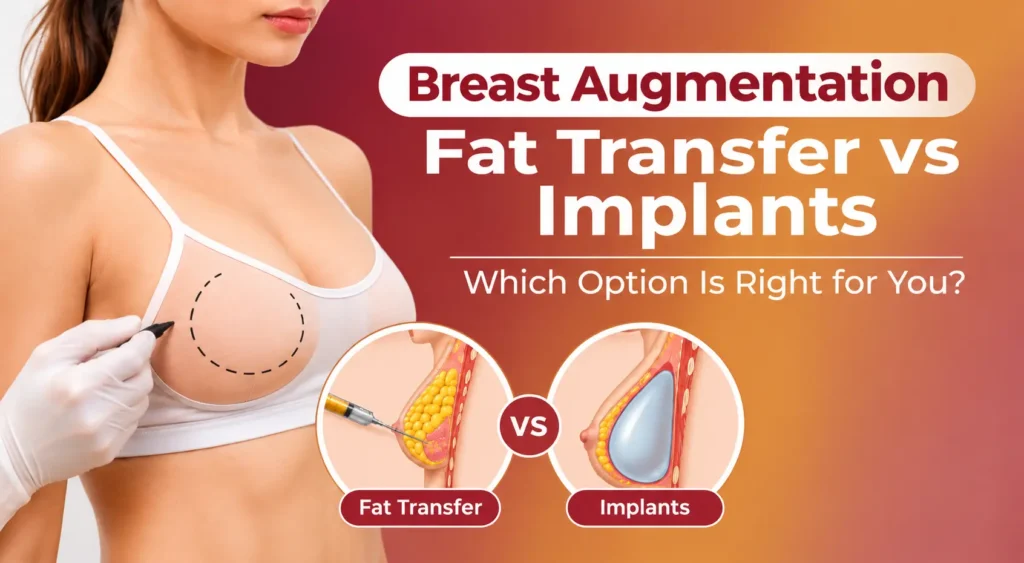
Breast augmentation with fat transfer uses your own body fat to add volume to your breasts. The fat is taken from an area where you have extra, such as the tummy, thighs, or waist, using liposuction with fat transfer. The fat is then cleaned and carefully placed into the breasts in small amounts.
Because it uses your own tissue, it is often called natural breast augmentation. It also gives a gentle body contouring benefit at the place where the fat was taken.
What Are Breast Implants?
Breast implants are medical devices placed behind the breast tissue or under the chest muscle to increase size and improve shape. They come in different sizes, shapes, and surfaces, so the surgeon can plan the look based on your body and your goals.
A detailed look at this procedure is available on our page for breast augmentation with implants. You can also see the general overview of breast augmentation to understand the basics.
Breast Fat Transfer vs Implants: The Main Differences
| Fat Transfer | Implants | |
| Material used | Your own body fat | Silicone or saline implant |
| Size increase | Modest, usually about one cup size | Small to large, based on implant size |
| Feel | Soft and natural, since it is your own tissue | Depends on implant type and placement |
| Need for extra fat | Yes, you need enough fat in the donor area | No |
| Scars | Very small, from liposuction and injection points | Small scar at the implant incision site |
| Future surgery | Usually not planned | Implants may need review or replacement later |
| Results | Part of the fat may not survive, so volume can vary | Volume is fixed by the implant size |
Every person is different, and your surgeon will explain what is realistic for your body.
Who May Choose Fat Transfer?
Fat transfer may suit you if:
- You want a small to moderate increase in size
- You prefer to use your own tissue instead of an implant
- You have enough fat in areas like the tummy, thighs, or waist
- You like the idea of contouring another area at the same time
- You want to smooth out a mild difference in volume or fill a small area
It may not be the best option if you are very slim, since there may not be enough fat to transfer.
Who May Choose Implants?
Implants may suit you if:
- You want a noticeable increase in size
- You are slim and do not have much extra body fat
- You want a more predictable volume
- You want more upper breast fullness or a more defined shape
- You want a larger change than fat transfer can usually offer
Which Option Gives a More Natural Look and Feel?
Both can look natural when they are planned well. Fat transfer feels soft because it is your own tissue. Implants can also feel natural, especially when the size, shape, and position are matched to your body frame.
The final look depends more on planning and surgical skill than on the option alone. Your surgeon will look at your breast shape, skin quality, and chest width before suggesting a plan.
Recovery: What Is the Difference?
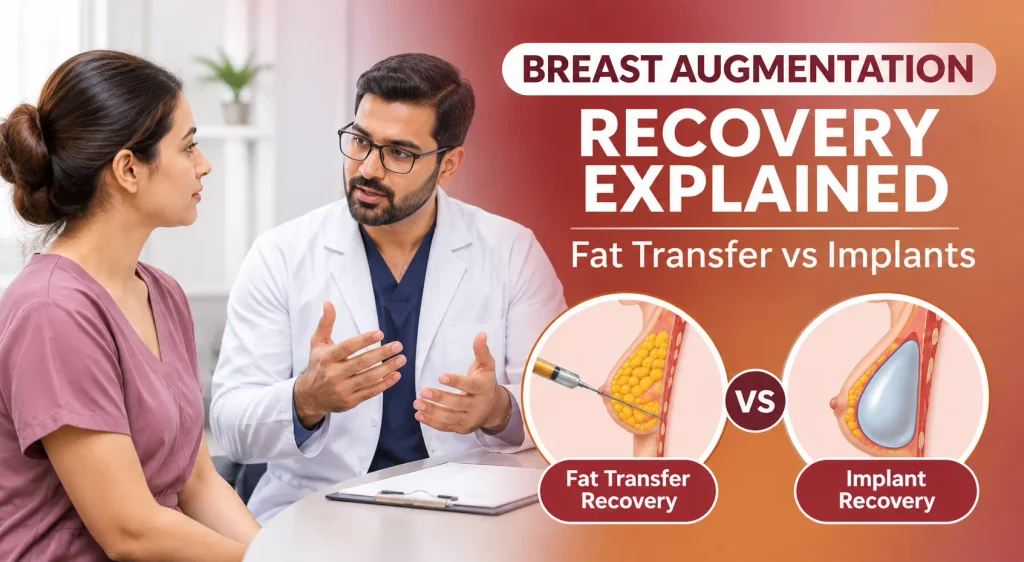
Both options need rest and care, but the recovery feels a little different.
Fat transfer recovery:
- You may have soreness at both the breasts and the area where fat was taken
- Swelling and bruising are common in the first few weeks
- Pressure on the breasts, such as sleeping on your stomach, may need to be avoided for a while, as advised by your doctor
Implant recovery:
- You may feel tightness and soreness in the chest for the first few days
- Heavy lifting and strenuous exercise are usually avoided for several weeks
- A supportive bra is usually advised during healing
Your doctor will give you clear aftercare steps for your own procedure.
Can You Combine Fat Transfer and Implants?
Yes, in some cases. A surgeon may use implants for volume and add a small amount of fat to soften the edges or improve the shape. This is a planned decision, and it depends on your body and your goals.
Common Concerns to Discuss With Your Surgeon
Will all the transferred fat stay?
Not always. Some part of the fat may be absorbed by the body, so the final volume can be a little less than what was placed. Your surgeon will explain this during planning.
Will implants need to be changed one day?
Implants are not meant to last forever, and some people may need a review or replacement over time. You can read about breast implant revision and replacement if you want to understand what this involves.
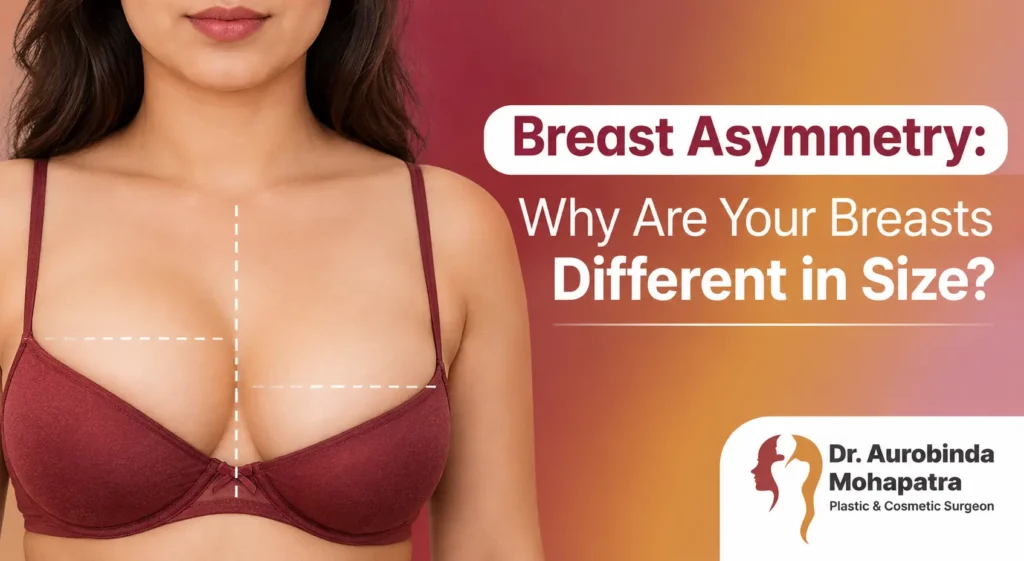
What if my breasts are uneven?
Both options can help balance a mild difference, and implants of different sizes may be used on each side. You can learn more in our guide to breast asymmetry correction.
What if my breasts are sagging?
Adding volume alone may not fix sagging. In that case, a breast lift may be advised, sometimes along with augmentation.
Questions to Ask Before You Decide
- How much size change do I want? This is often the biggest deciding factor.
- Do I have enough donor fat? This decides whether fat transfer is possible.
- How do I feel about future follow-up? Implants need regular review.
- What does my breast shape need? Volume, lift, or both.
- Who will perform the surgery? It should be done by a qualified surgeon in a proper medical setup.
Final Thoughts
In the breast fat transfer vs implants decision, there is no single best answer. Fat transfer suits women who want a small, natural increase and have enough body fat. Implants suit women who want a larger, more predictable change. In some cases, a combined plan gives the best balance.
The most important step is to speak to a qualified surgeon who can examine you and explain what suits your body. You can book a consultation and discuss your goals in person.
Disclaimer: This article is for general information only and is not a substitute for medical advice. Results and recovery vary from person to person. Please consult a qualified doctor before choosing any treatment.
FAQs
Is fat transfer better than implants?
Neither is better for everyone. Fat transfer gives a small, natural increase, while implants give a larger and more predictable change.
How much size can I gain with fat transfer?
Usually a modest increase, often around one cup size. Your surgeon will tell you what is realistic for your body.
Can I get fat transfer if I am very thin?
It may be difficult, because enough donor fat is needed. Your surgeon will check this during the consultation.
Do breast implants last forever?
No. Implants may need a review or replacement over time, depending on your case.
Can I combine both options?
In some cases, yes. A surgeon may use implants for volume and fat for shaping and softening.