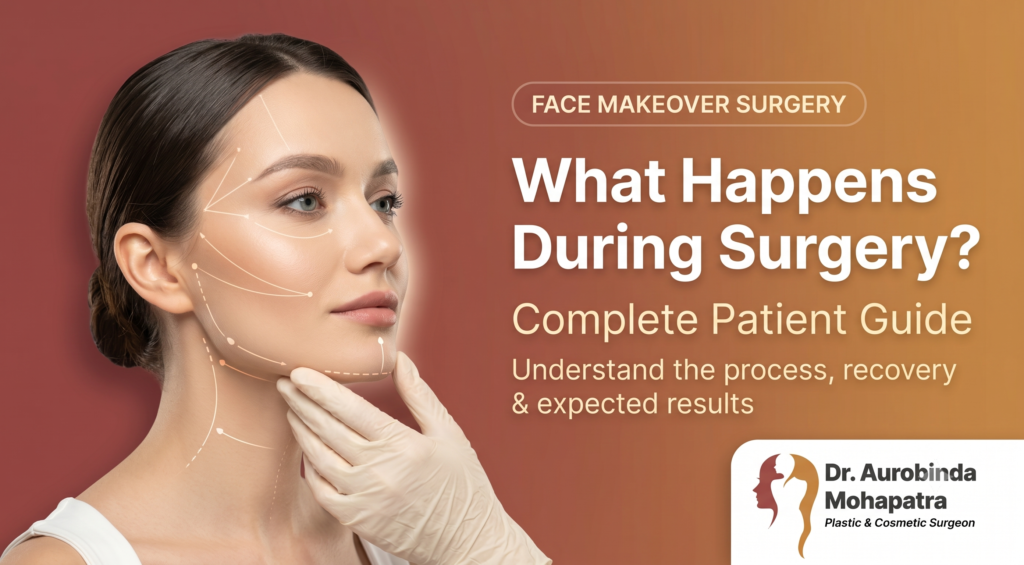
Facial aging affects everyone differently. Over time, many people notice sagging facial skin, loss of jawline definition, deep wrinkles, drooping cheeks, facial volume loss, and loose neck skin. When these changes become more noticeable, some individuals explore face makeover surgery procedures to achieve a refreshed and natural-looking appearance.
This complete patient guide explains what happens during face makeover surgery, who may benefit, what recovery involves, potential risks, and how surgical facial rejuvenation compares with treatments such as Botox, PRP, and laser therapy.
Understanding Face Makeover Surgery
A face makeover surgery is a customized facial rejuvenation procedure designed to address multiple signs of facial aging simultaneously.
Rather than focusing on a single concern, a face makeover may combine different procedures based on an individual’s facial anatomy, skin quality, age-related changes, and aesthetic goals.
The goal is typically to improve facial harmony while maintaining natural facial expressions and appearance.
Common concerns addressed include:
- Sagging cheeks
- Deep nasolabial folds
- Jowls
- Loose neck skin
- Facial volume loss
- Wrinkles and fine lines
- Tired-looking appearance
Because every face ages differently, no two face makeover procedures are exactly the same.
Who May Benefit From a Face Makeover?
A face makeover may be considered by individuals who experience:
- Moderate to severe facial sagging
- Loss of facial volume
- Drooping cheeks
- Neck laxity
- Deep facial folds
- Age-related changes not adequately improved with non-surgical treatments
Suitable candidates generally:
- Are in good overall health
- Have realistic expectations
- Do not smoke or are willing to stop smoking during recovery
- Understand the recovery process
A consultation with a qualified cosmetic or facial plastic surgeon helps determine whether surgery is appropriate.
Pre-Surgery Consultation and Planning
One of the most important stages occurs before surgery begins.
During consultation, the surgeon typically evaluates:
Facial Structure Analysis
Assessment may include:
- Skin elasticity
- Facial volume distribution
- Jawline definition
- Neck contour
- Bone structure
- Existing asymmetries
Medical Evaluation
Patients may be asked about:
- Current medications
- Allergies
- Medical conditions
- Previous surgeries
- Smoking habits
Treatment Planning
The surgical plan is individualized based on:
- Areas requiring correction
- Desired outcomes
- Recovery considerations
- Combination procedures if needed
Pre-operative photographs are often taken for planning and documentation.
What Happens During Face Makeover Surgery?
1. Preparation Before Surgery
On the day of surgery:
- Medical history is reviewed
- Consent forms are confirmed
- Surgical markings may be made
- Vital signs are checked
The surgical team reviews the treatment plan before the procedure begins.
2. Anesthesia Administration
Most face makeover surgeries are performed under:
- General anesthesia, or
- Intravenous sedation with local anesthesia
The choice depends on the complexity of the procedure and patient factors.
3. Surgical Incisions
Incisions are carefully placed in areas intended to minimize visible scarring.
Common locations include:
- Around the ears
- Hairline regions
- Under the chin (if neck correction is required)
The exact incision pattern depends on the procedures being performed.
4. Lifting and Repositioning Facial Tissues
A major component of facial rejuvenation involves repositioning deeper facial tissues.
This step may help improve:
- Cheek contour
- Jawline definition
- Facial sagging
- Neck laxity
Modern techniques focus on structural support rather than excessive skin tightening.
5. Removal of Excess Skin
After underlying tissues are repositioned, excess skin may be carefully removed.
The skin is then redraped to create smoother contours while avoiding an overly stretched appearance.
6. Additional Procedures When Needed
Depending on the treatment plan, the surgeon may combine:
Facelift Surgery
Targets:
- Jowls
- Sagging cheeks
- Deep facial folds
Neck Lift
Addresses:
- Loose neck skin
- Neck bands
- Poor jawline definition
Eyelid Surgery (Blepharoplasty)
May improve:
- Drooping eyelids
- Under-eye puffiness
Facial Fat Grafting
Can restore:
- Mid-face volume
- Cheek fullness
- Facial balance
7. Closure and Recovery Room Monitoring
Incisions are closed using sutures.
Patients are then monitored while anesthesia wears off before discharge or overnight observation, depending on the procedure.
How Long Does Face Makeover Surgery Take?
The duration varies depending on the complexity of treatment.
Typical procedure times range from:
- 3 to 8 hours
Factors influencing duration include:
- Number of procedures combined
- Surgical technique
- Individual anatomy
Your surgeon can provide a more specific estimate during consultation.
Recovery Timeline After Face Makeover Surgery
Recovery varies between individuals.
First Week
Common experiences include:
- Swelling
- Bruising
- Mild discomfort
- Tightness
Patients are usually advised to:
- Rest
- Sleep with head elevated
- Avoid strenuous activity
Weeks 2–3
Many patients notice:
- Reduced bruising
- Decreasing swelling
- Improved comfort
Some individuals may resume certain work activities depending on recovery progress.
Weeks 4–6
Most visible swelling continues to improve.
Patients often resume:
- Social activities
- Exercise (as approved)
- Regular daily routines
Several Months
Final contour refinement continues gradually.
Subtle improvements may remain visible for several months after surgery.
Is Face Makeover Surgery Painful?
Most patients describe discomfort as manageable rather than severe pain.
Common sensations include:
- Tightness
- Mild soreness
- Temporary numbness
Pain management plans are typically provided during recovery.
Expected Results and Healing Stages
Results develop gradually as swelling resolves.
Potential improvements may include:
- Better jawline definition
- Reduced facial sagging
- Smoother neck contour
- Improved facial balance
- More refreshed appearance
Results vary based on:
- Age
- Skin quality
- Surgical technique
- Lifestyle factors
No cosmetic procedure can permanently stop the natural aging process.
Are Scars Visible After Surgery?
All surgical procedures create scars.
However, facial rejuvenation procedures are generally designed to place incisions in less noticeable locations such as:
- Hairline areas
- Natural skin creases
- Around the ears
Scar appearance typically improves over time, although healing varies among individuals.
Risks and Safety Considerations
Every surgical procedure carries risks.
Potential complications may include:
- Bleeding
- Infection
- Delayed healing
- Temporary or prolonged swelling
- Nerve-related changes
- Scarring
- Anesthesia-related complications
Choosing an appropriately trained surgeon and following post-operative instructions can help reduce risks.
Face Makeover vs Facelift: What Is the Difference?
Many patients use these terms interchangeably, but they are not always the same.
Facelift
Primarily focuses on:
- Mid-face
- Jawline
- Lower face
Face Makeover
May include:
- Facelift
- Neck lift
- Eyelid surgery
- Fat grafting
- Skin rejuvenation treatments
A face makeover is often a broader and more personalized treatment plan.
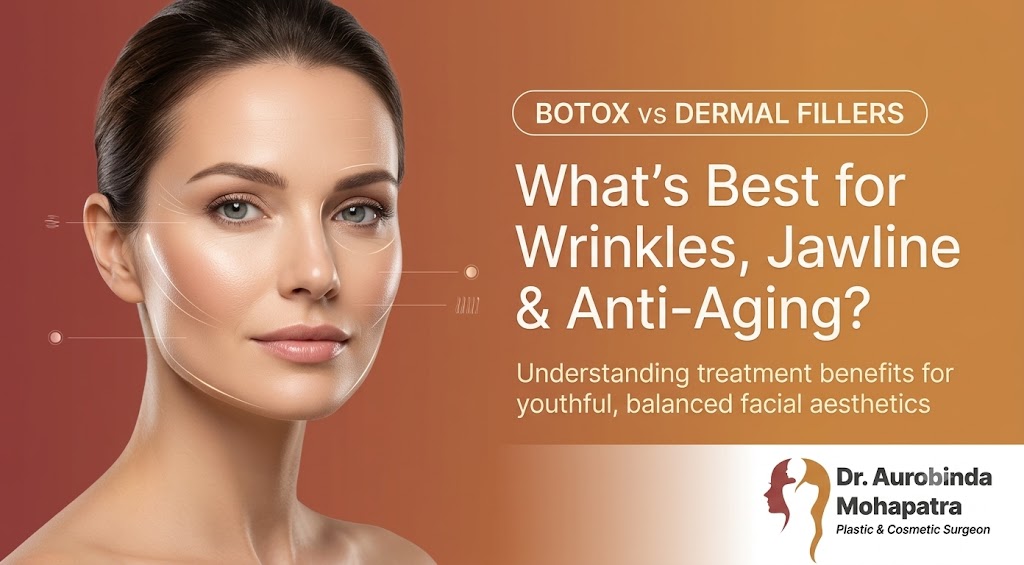
Can Botox Replace a Face Makeover?
Botox and face makeover surgery address different concerns.
Botox may help:
- Dynamic wrinkles
- Forehead lines
- Frown lines
- Crow’s feet
However, Botox does not correct:
- Significant skin laxity
- Jowls
- Excess neck skin
For some patients, Botox may delay the need for surgery but cannot fully replace surgical lifting when significant sagging is present.
Can PRP Help With Facial Rejuvenation?
Platelet-Rich Plasma (PRP) therapy is sometimes used as a complementary treatment.
PRP may support:
- Skin quality
- Texture improvement
- Recovery enhancement in selected cases
PRP does not provide the same lifting effect as facial rejuvenation surgery.
Can Laser Treatments Complement a Face Makeover?
Laser skin resurfacing may be used alongside surgical procedures to address:
- Fine lines
- Sun damage
- Skin texture irregularities
- Pigmentation concerns
Because surgery and laser treatments address different aspects of facial aging, they may sometimes be combined as part of a comprehensive rejuvenation plan.
How Long Do Face Makeover Results Last?
Longevity varies between individuals.
Factors influencing results include:
- Age
- Genetics
- Sun exposure
- Smoking
- Skincare habits
- Weight fluctuations
Many patients enjoy long-lasting improvements, although natural aging continues over time.
Conclusion
A face makeover surgery procedure is a personalized approach to facial rejuvenation that may combine multiple techniques to address age-related changes. Understanding the consultation process, surgical steps, recovery expectations, potential risks, and realistic outcomes helps patients make informed decisions.
The most appropriate treatment varies from person to person and should be determined through consultation with a qualified medical professional experienced in facial rejuvenation procedures.
Medical Disclaimer
This article is intended for educational purposes only and should not be considered medical advice, diagnosis, or treatment. Treatment suitability varies by individual. Please consult a qualified healthcare professional for personalized evaluation and recommendations.
FAQs
What is included in a face makeover surgery?
A face makeover may include facelift surgery, neck lift, eyelid surgery, facial fat grafting, and other facial rejuvenation procedures depending on individual needs.
How long does a face makeover procedure take?
Most procedures take approximately 3–8 hours, depending on the number of treatments being combined.
Is face makeover surgery performed under anesthesia?
Yes. Most procedures are performed under general anesthesia or intravenous sedation with local anesthesia.
What is recovery like after a face makeover?
Recovery commonly involves temporary swelling, bruising, and discomfort. Most patients gradually resume activities over several weeks.
Can Botox replace a face makeover surgery?
Botox may improve dynamic wrinkles but does not correct significant facial sagging or loose skin.
When are final results visible after a face makeover?
Visible improvements occur within weeks, but final outcomes may continue developing over several months as healing progresses.