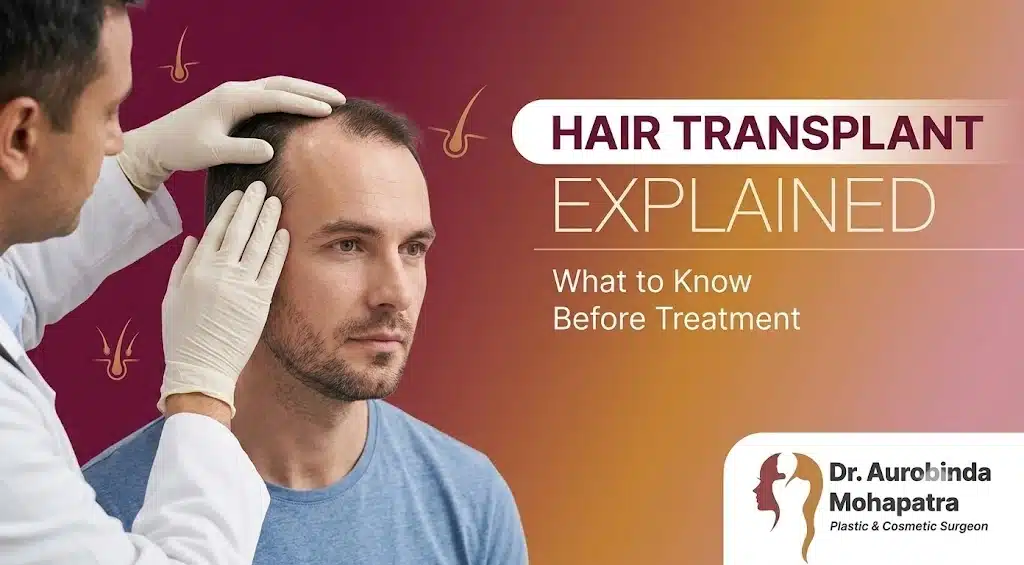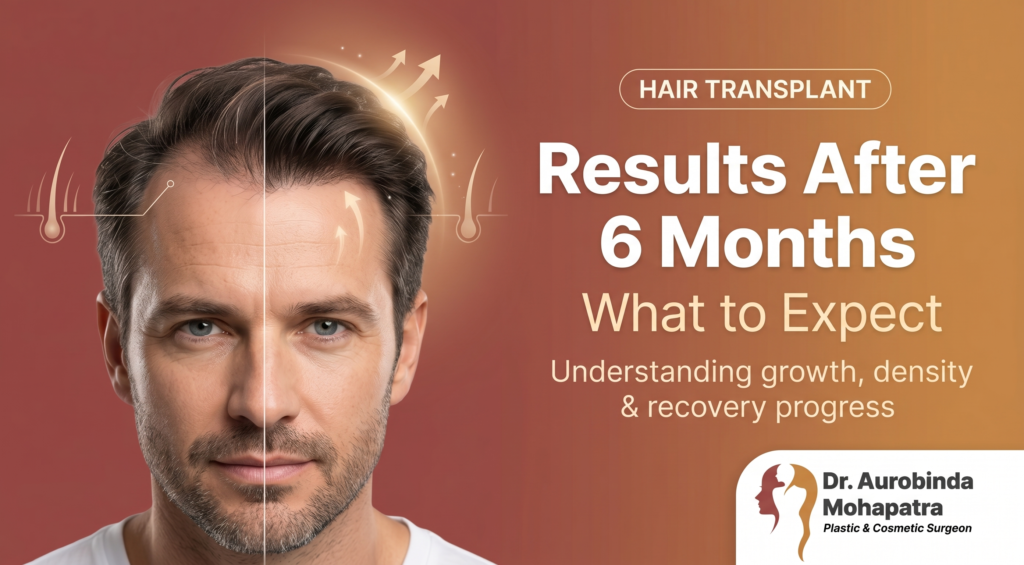
Hair transplant results after 6 months are often one of the most anticipated milestones for patients. By this stage, many individuals begin to notice visible hair growth and improved scalp coverage. However, it is important to understand that hair restoration is a gradual process, and results can vary based on individual healing, graft survival, hair characteristics, and post-procedure care.
If you are wondering whether your progress is normal or whether your transplanted hair should appear thicker by now, understanding the typical growth timeline can help set realistic expectations.
Understanding the Hair Transplant Growth Timeline
Hair transplantation involves relocating healthy hair follicles from a donor area to areas affected by hair loss. Once transplanted, these follicles follow a natural growth cycle.
Typical timeline:
- First 2–4 weeks: Transplanted hairs often shed.
- Months 2–4: Temporary resting phase.
- Months 4–6: New hair growth begins.
- Months 6–9: Noticeable improvement in coverage.
- Months 9–12: Significant increase in density and thickness.
- Months 12–18: Final maturation and refinement of results.
Because hair grows in cycles, not all transplanted follicles begin producing visible hair at the same time.
What Happens During the First 6 Months?
The first six months are considered an active regrowth phase.
Common changes include:
Months 1–3
- Shedding of transplanted hairs
- Scalp healing
- Minimal visible growth
Months 3–4
- Early emergence of new hairs
- Fine and thin strands initially appear
Months 5–6
- Increased hair growth
- Better scalp coverage
- Improved hairline visibility
- Gradual thickening of existing hairs
At month 6, many patients have achieved approximately 50–70% of their eventual cosmetic outcome, although individual variation is normal.
Hair Transplant Results After 6 Months: What to Expect
Most patients can expect:
Visible Hair Growth
Newly transplanted follicles are actively producing hair. Areas that previously appeared bald often begin showing measurable coverage.
Improved Hairline Definition
Hairline restoration generally becomes more apparent during this stage, especially in patients who underwent frontal hairline reconstruction.
Early Density Development
While density improves, transplanted hairs may still appear finer than the final outcome.
Better Cosmetic Appearance
Many individuals feel more confident as visible scalp exposure decreases.
However, transplanted hair is still maturing and may continue improving for another 6–12 months.
Is 6 Months Enough to See Final Hair Transplant Results?
No.
Six months is an important checkpoint but is usually not the final result.
Most patients continue experiencing:
- Increased density
- Hair shaft thickening
- Improved texture
- Better blending with surrounding hair
Final results are commonly evaluated between 12 and 18 months after the procedure.
Why Is My Hair Transplant Still Thin After 6 Months?
One of the most common patient concerns is low density at month 6.
Several factors may contribute:
Normal Hair Growth Cycle
Not all grafts grow simultaneously.
Hair Thickness
Fine hair naturally requires more time to create visible density.
Individual Healing Differences
Age, genetics, scalp characteristics, and blood supply can affect growth speed.
Large Treatment Areas
Patients requiring extensive coverage may perceive slower density improvement.
In many cases, density continues improving significantly between months 6 and 12.
Is Slow Hair Growth Normal After 6 Months?
Yes, slow growth can still be within the normal recovery range.
Possible reasons include:
- Delayed follicle activation
- Individual biological variation
- Previous scalp conditions
- Smoking
- Nutritional deficiencies
- Ongoing androgenetic hair loss
A follow-up examination with your treating specialist can help determine whether progress remains within expected limits.
What Does a Successful Hair Transplant Look Like at 6 Months?
Signs of healthy progress may include:
- Emerging new hairs across transplanted areas
- Improved hairline visibility
- Gradual increase in coverage
- No signs of infection or significant scarring
- Continued month-to-month improvement
A successful transplant does not necessarily mean complete density by month 6.
Factors That Affect Hair Transplant Results
Several factors influence outcomes:
Surgical Technique
Modern FUE techniques are designed to minimize trauma to follicles and support graft survival.
Surgeon Experience
Proper graft handling, placement, and planning can affect natural-looking outcomes.
Donor Hair Quality
Hair caliber, texture, and donor density influence cosmetic results.
Post-Procedure Care
Following recovery instructions may support optimal healing.
Medical Conditions
Underlying scalp disorders and certain health conditions can affect growth patterns.
PRP and Laser Therapy as Supportive Treatments
Some patients ask whether additional therapies may support hair growth after transplantation.
Platelet-Rich Plasma (PRP)
PRP uses concentrated platelets derived from the patient’s blood and may be recommended in selected cases.
Potential benefits:
- Support follicular activity
- Improve hair quality
- Complement hair restoration treatments
Low-Level Laser Therapy (LLLT)
Laser therapy is sometimes used as a supportive treatment for hair restoration.
Potential goals include:
- Supporting scalp health
- Encouraging hair growth activity
- Enhancing overall hair appearance
Suitability should be determined by a qualified hair restoration specialist.
Risks and Limitations
Hair transplantation has limitations.
Patients should understand:
- Results vary between individuals.
- Density may not equal natural pre-hair-loss density.
- Additional sessions may sometimes be required.
- Existing non-transplanted hair may continue thinning over time.
- Final outcomes cannot be accurately judged at month 6 alone.
Realistic expectations are important for long-term satisfaction.
When Should You Consult Your Hair Restoration Specialist?
Consider scheduling a follow-up evaluation if you experience:
- Very limited growth after 6 months
- Persistent patchy appearance
- Significant scalp discomfort
- Concerns about density
- Ongoing hair loss outside transplanted areas
A specialist can assess graft growth, scalp health, and whether supportive treatments may be appropriate.
Conclusion
Hair transplant results after 6 months often show encouraging progress, including visible growth, improved hairline definition, and increased scalp coverage. However, the hair restoration process continues beyond this stage, with further thickening and density development commonly occurring between months 6 and 12 and sometimes up to 18 months.
If you have concerns about slow growth, patchy density, or ongoing hair loss, discussing your progress with a qualified hair restoration specialist can provide clarity and individualized guidance.
Medical Disclaimer
This article is intended for educational purposes only and should not replace professional medical advice, diagnosis, or treatment. Individual hair transplant outcomes vary. Always consult a qualified healthcare professional regarding your specific condition.
FAQs
What should a hair transplant look like after 6 months?
Most patients notice visible hair growth, improved hairline definition, and moderate density improvement. Final results are usually not achieved at this stage.
Is 6 months enough to see hair transplant results?
Yes, visible results are often present by month 6, but hair continues to mature and thicken for several more months.
Why is my hair transplant still thin after 6 months?
Hair follicles grow at different rates. Continued thickening and density improvement commonly occur between months 6 and 12.
How much hair growth occurs by month 6?
Many patients achieve approximately 50–70% of their eventual cosmetic outcome, although individual variation is normal.
Can PRP improve hair transplant results?
PRP may be recommended in selected patients as a supportive treatment. Suitability should be determined during consultation.
When do final hair transplant results appear?
Most final outcomes are evaluated between 12 and 18 months after the procedure.