Many people consider liposuction surgery after struggling with stubborn fat deposits that remain despite regular exercise and a healthy diet. While the procedure can improve body contours, it is important to understand what liposuction can and cannot achieve before making a decision.
Whether you’re researching liposuction surgery in Bhubaneswar or simply learning about the procedure, having realistic expectations and understanding the preparation, recovery, and potential risks can help you make an informed choice. This guide explains the ten most important things every patient should know before undergoing liposuction.
Understanding Liposuction Surgery
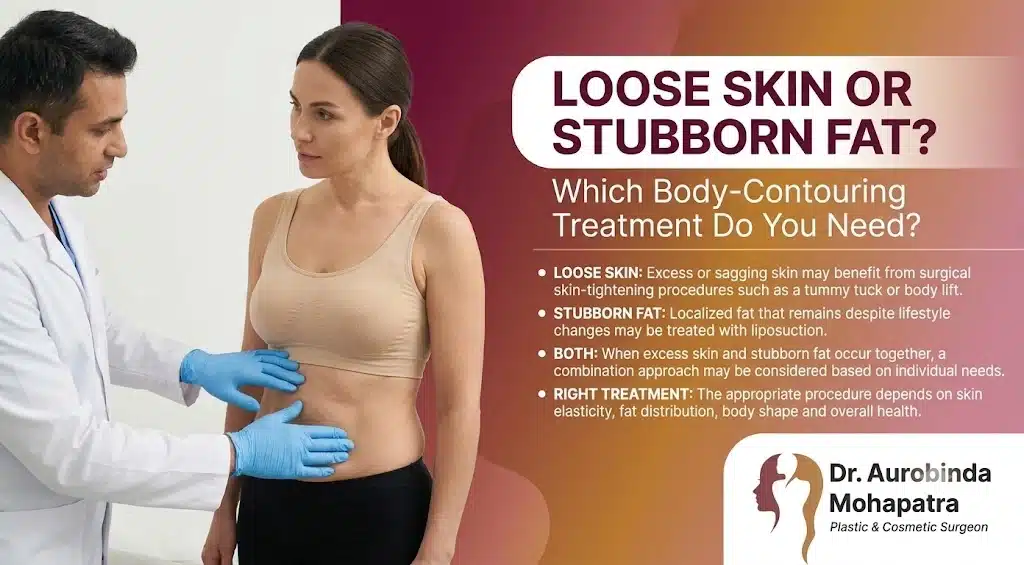
Liposuction is a cosmetic surgical procedure designed to remove localized fat deposits that do not respond well to diet and exercise. Rather than being a weight-loss treatment, it is considered a body contouring procedure that helps improve body proportions.
Common treatment areas include:
- Abdomen
- Waist and flanks
- Thighs
- Hips
- Upper arms
- Back
- Chest (including gynecomastia in selected male patients)
- Chin and neck
Modern techniques, including laser-assisted liposuction and power-assisted liposuction, may be recommended depending on the patient’s anatomy and treatment goals.
1. Liposuction Is Not a Weight-Loss Surgery
One of the biggest misconceptions is that liposuction is a solution for obesity.
In reality, liposuction is designed to remove localized fat deposits rather than significantly reduce body weight.
You may be a suitable candidate if you:
- Are close to your ideal body weight
- Have stubborn fat resistant to exercise
- Maintain a healthy lifestyle
- Have realistic expectations
Patients seeking major weight reduction may require a medically supervised weight management program or bariatric surgery instead of liposuction.
2. Not Everyone Is an Ideal Candidate
The success of liposuction depends greatly on patient selection.
A qualified plastic surgeon will evaluate several factors before recommending surgery, including:
Body Weight
Patients should ideally have a stable body weight.
Skin Elasticity
Good skin elasticity allows the treated area to adapt better after fat removal.
General Health
Patients should be medically fit for surgery.
Certain medical conditions may require additional evaluation before proceeding.
Lifestyle
Non-smokers generally experience better healing compared to smokers.
3. Liposuction Can Treat Several Areas of the Body
Liposuction is versatile and may be used on multiple body regions.
Commonly treated areas include:
Face and Neck
- Double chin
- Neck fullness
Upper Body
- Arms
- Chest
- Back
Midsection
- Abdomen
- Waist
- Love handles
Lower Body
- Hips
- Buttocks (selected cases)
- Inner thighs
- Outer thighs
- Knees
- Calves (carefully selected patients)
The treatment plan varies according to each individual’s body shape and goals.
4. Preparation Before Surgery Matters
Proper preparation can contribute to a smoother surgical experience and recovery.
Before surgery, your plastic surgeon may advise:
- Comprehensive medical evaluation
- Blood investigations if required
- Medication review
- Avoiding smoking before surgery
- Limiting alcohol intake
- Following fasting instructions before the procedure
- Arranging transportation home
- Planning adequate recovery time
Patients should also discuss previous surgeries, allergies, and any medications or supplements they are taking.
5. Understanding the Procedure Helps Reduce Anxiety
Knowing what happens during surgery often makes patients feel more confident.
Although techniques vary, liposuction generally involves:
- Administration of appropriate anesthesia.
- Small incisions in discreet locations.
- Infusion of a special solution to minimize bleeding and improve fat removal.
- Removal of fat using a thin tube called a cannula.
- Closure of incisions or allowing small openings for drainage, depending on the technique used.
- Application of compression garments.
Procedure duration depends on:
- Number of treatment areas
- Amount of fat being removed
- Surgical technique used
- Individual patient factors
Your surgeon will explain the most suitable approach during the consultation.
6. Recovery Takes Time and Patience
Recovery is gradual, and every patient’s experience is different.
Common recovery milestones include:
First Few Days
- Mild discomfort
- Swelling
- Bruising
- Temporary drainage from incision sites
- Reduced physical activity
First Two Weeks
Most patients can gradually resume light daily activities, depending on the extent of surgery and their surgeon’s advice.
Several Weeks
Swelling gradually decreases.
Compression garments are often recommended to support healing and help shape the treated area.
Three to Six Months
Final body contour improvements usually become more noticeable as swelling continues to resolve.
Following your surgeon’s post-operative instructions is essential for optimal healing.
7. Every Surgical Procedure Has Risks
Like any surgical procedure, liposuction carries potential risks and complications.
Possible risks include:
- Infection
- Bleeding
- Fluid accumulation (seroma)
- Temporary numbness
- Swelling
- Bruising
- Irregular body contour
- Changes in skin sensation
- Scarring
- Anesthesia-related complications
Choosing a qualified plastic surgeon, following pre-operative instructions, and attending follow-up appointments can help reduce these risks, although no surgical procedure is completely risk-free.
8. Liposuction Results Are Not Immediate
One of the most common questions patients ask is, “When will I see the final results?”
Although some improvement may be noticeable once the initial swelling begins to settle, the final outcome takes time. Swelling is a normal part of the healing process and gradually reduces over several weeks to months.
Typical Recovery Timeline
Week 1–2
- Swelling and bruising are most noticeable.
- Walking is encouraged to promote circulation.
- Compression garments should be worn as advised.
Week 3–6
- Most bruising fades.
- Daily activities become easier.
- The treated areas begin to appear more defined.
After 2–3 Months
- Significant reduction in swelling.
- Body contours become more noticeable.
After 3–6 Months
- Final body contour is usually visible.
- Healing continues beneath the skin.
Recovery varies depending on the number of treated areas, the amount of fat removed, individual healing capacity, and adherence to post-operative instructions.
9. Maintaining Results Requires a Healthy Lifestyle
Liposuction permanently removes many fat cells from the treated areas. However, it does not prevent future weight gain.
If a patient gains significant weight after surgery, the remaining fat cells can enlarge, affecting the overall body shape.
To help maintain long-term results:
- Follow a balanced diet.
- Exercise regularly.
- Stay physically active.
- Drink enough water.
- Get adequate sleep.
- Attend scheduled follow-up visits.
- Maintain a stable body weight.
Liposuction should be viewed as a body contouring procedure rather than a replacement for healthy lifestyle habits.
10. Choose a Qualified Plastic Surgeon
Selecting an experienced and appropriately qualified plastic surgeon is one of the most important decisions before undergoing liposuction surgery.
During your consultation, consider asking:
- Am I a suitable candidate for liposuction?
- Which liposuction technique is recommended for me?
- What results are realistic for my body type?
- What risks should I be aware of?
- How much recovery time should I expect?
- Will I need compression garments?
- What follow-up care is included?
A detailed consultation allows your surgeon to assess your medical history, body goals, skin quality, and overall health before recommending a personalised treatment plan.
Laser-Assisted Liposuction vs Traditional Liposuction
Several liposuction techniques are available today. The most appropriate option depends on the treatment area, skin quality, and the surgeon’s clinical assessment.
| Traditional Liposuction | Laser-Assisted Liposuction |
|---|---|
| Removes fat using suction | Uses laser energy before fat removal |
| Suitable for many body areas | May assist with fat removal in selected cases |
| Widely performed technique | May offer additional tissue effects in suitable patients |
| Results depend on patient factors and surgical planning | Not appropriate for every patient |
Your plastic surgeon will explain which approach is most suitable based on your individual needs.
Liposuction vs Weight Loss
Many patients confuse liposuction with weight-loss treatment.
Liposuction
- Removes stubborn localized fat.
- Improves body contours.
- Best for patients near their ideal weight.
- Does not treat obesity.
Weight Loss
- Reduces overall body fat.
- Achieved through diet, exercise, medications, or bariatric surgery when appropriate.
- Improves overall health.
- Usually recommended before considering body contouring procedures.
Can Liposuction Tighten Loose Skin?
Liposuction primarily removes excess fat. It is not designed to tighten significantly loose or sagging skin.
Patients with reduced skin elasticity may benefit from additional procedures, depending on their individual needs.
Your surgeon will assess:
- Skin elasticity
- Age
- Amount of fat
- Degree of skin laxity
- Previous weight loss
In some cases, body contouring procedures that remove excess skin may be more appropriate than liposuction alone.
Is Liposuction Safe?
When performed by a qualified plastic surgeon in an appropriate surgical setting and after careful patient evaluation, liposuction is generally considered a safe procedure for suitable candidates.
However, like any surgery, it involves potential risks. Safety depends on several factors, including:
- Appropriate patient selection
- Comprehensive pre-operative assessment
- Sterile surgical techniques
- Following post-operative instructions
- Regular follow-up appointments
Patients should always discuss possible benefits, limitations, and risks during their consultation.
Conclusion
Liposuction surgery can help improve body contours by removing stubborn fat deposits that do not respond to diet and exercise. However, it is not a substitute for weight loss or a healthy lifestyle.
Understanding candidacy, preparation, recovery, possible risks, and expected outcomes allows patients to make informed decisions. Every individual has unique goals and medical considerations, making a personalised consultation essential before proceeding with treatment.
If you are considering liposuction surgery in Bhubaneswar, consult a qualified plastic surgeon who can assess your condition, discuss suitable treatment options, and explain the expected benefits, limitations, and recovery process based on your individual needs.
Medical Disclaimer
This article is intended for general educational purposes only and should not be considered medical advice, diagnosis, or treatment. Individual treatment recommendations vary based on medical history, examination findings, and personal goals. Always consult a qualified plastic surgeon for an individual assessment before making decisions about cosmetic surgery.
Frequently Asked Questions
1. What should I know before getting liposuction surgery?
You should understand that liposuction is a body contouring procedure rather than a weight-loss treatment. It is important to know about candidacy, recovery, potential risks, expected results, and the importance of maintaining a healthy lifestyle after surgery.
2. Am I a good candidate for liposuction?
Suitable candidates are generally in good overall health, close to their ideal body weight, have stubborn fat deposits, and possess good skin elasticity. A consultation with a plastic surgeon is necessary to determine eligibility.
3. Is liposuction meant for weight loss?
No. Liposuction is designed to remove localized fat deposits and improve body contours. It is not intended to treat obesity or replace healthy weight-loss methods.
4. How long does recovery take after liposuction?
Initial recovery usually takes a few weeks, while swelling gradually improves over several months. Final results commonly become visible within three to six months, depending on individual healing.
5. Can fat return after liposuction?
The removed fat cells do not regenerate. However, significant weight gain can cause the remaining fat cells to enlarge, which may alter the body’s appearance.
6. Does liposuction leave scars?
Small scars may remain where tiny incisions are made. These often become less noticeable over time, although scar healing varies between individuals.
7. How much fat can be removed safely?
The amount varies depending on the patient’s health, treatment areas, and surgical plan. Your plastic surgeon will recommend a safe approach based on established clinical guidelines.
8. Is liposuction painful?
Discomfort is expected during recovery, but it is generally managed with prescribed medications and gradually improves as healing progresses.
9. Can liposuction remove cellulite?
Liposuction is not considered a treatment for cellulite. While body contours may improve, cellulite may remain visible.
10. When can I exercise after liposuction?
Light walking is usually encouraged soon after surgery, while more strenuous exercise should only be resumed according to your surgeon’s recommendations.
11. What areas can be treated with liposuction?
Common treatment areas include the abdomen, waist, thighs, hips, arms, back, chest, chin, and neck, depending on individual suitability.
12. When should I consult a plastic surgeon?
You should consider a consultation if stubborn fat persists despite healthy lifestyle efforts and you wish to explore body contouring options after a professional evaluation.