“If I gain weight later, will all my results be gone?” It is one of the most common questions people ask before surgery, and it is a fair one. Weight gain after liposuction does not wipe out your results, but it can change them. How much depends on how much weight you gain and where your body tends to store fat.
This guide explains what happens inside the body, what to expect with small and large weight gain, and how to protect your results in the long term.
Does Fat Come Back After Liposuction?
Liposuction removes fat cells from the treated area, and those cells do not return. That is why the procedure can change your shape in a lasting way.
However, the fat cells that remain in your body can still grow larger if you gain weight. This includes the cells in the treated area. So the result is long-lasting, but it is not a guarantee that the area will never change again.
Why Liposuction Is Not a Weight-Loss Treatment
Liposuction is a contouring procedure. It reshapes specific areas, but it does not change your metabolism, your eating habits or your genetic tendency to store fat. Your long-term shape still depends on your lifestyle and your weight. This is also why surgeons usually prefer patients who are close to a stable weight before surgery.
What Happens If You Gain a Few Kilos?
A small, temporary gain, for example after festivals, travel or a busy few weeks, usually does not undo your contour. With fewer fat cells in the treated area, there is less fat to gain there, so the change tends to be spread across the body rather than concentrated in one spot.
You may notice your clothes fit a little differently, and that is normal. Returning to your usual routine and weight usually brings the shape back.
What Happens With Significant Weight Gain?
If you gain a large amount of weight, fat can increase across the body, including in the treated area. Some people also notice that new fat settles in untreated areas first, which can make proportions look uneven.
Two things are worth knowing:
- Everyone is different. Where your body stores extra fat depends on genetics, hormones and age, so outcomes vary.
- You may still look better in proportion. With fewer fat cells in the treated area, that area often stays smaller than it would have been without surgery. This is not guaranteed, though, and the shape will change.
Will Weight Gain Affect Your Skin Too?
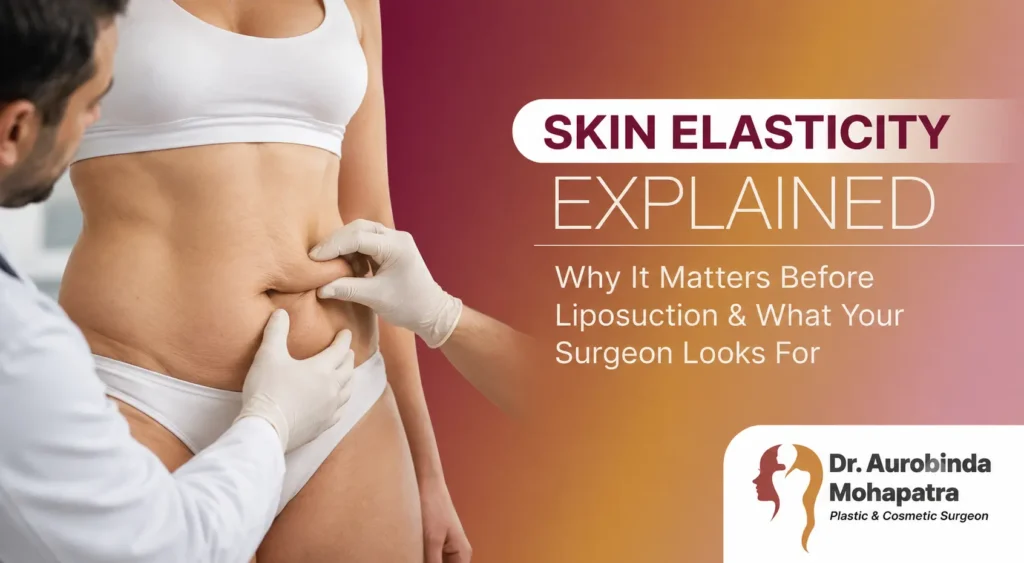
It can. Skin that has stretched and retracted repeatedly may lose some firmness over time. If weight goes up and down often, loose skin can become more noticeable, and fat removal alone cannot fix that. In that situation, a surgeon may talk about skin-removal options such as a tummy tuck for the abdomen.
If you later lose a large amount of weight and have loose skin in several areas, a staged plan under post-weight-loss body contouring is usually discussed.
How Weight Gain Can Look in Different Treated Areas
The effect is not the same in every area, so it helps to know what to watch.
Abdomen and waist: the belly is one of the first places many people notice change. If you have had abdominal liposuction or love handle liposuction, a steady weight is the best way to keep the waistline you achieved.
Thighs and arms: these areas often respond to weight changes more gradually. After thigh liposuction or arm liposuction, you may see the first changes in how clothes fit rather than in the mirror.
Several areas at once: people who choose 360 liposuction are changing the shape of the whole trunk, so overall weight stability matters even more for maintaining balanced proportions.
How to Maintain Your Results After Liposuction
Protecting your result is mostly about steady, simple habits:
- Stay close to your post-surgery weight. Aim for a small range rather than a fixed number.
- Check your weight regularly. Weekly checks help you catch changes early, before they become large.
- Eat a balanced diet. Include protein, vegetables, fruit, whole grains and enough water.
- Move every day. Walking, strength training or any activity you enjoy helps keep weight steady.
- Avoid smoking and limit alcohol. Both affect healing and overall health.
- Act early. If your weight starts to rise, a small correction in diet and activity is easier than a large one later.
- Keep follow-up visits. Your surgeon can guide you on safe activity and what to expect as swelling settles.
What Not to Expect
- Liposuction does not stop you from gaining weight in the future.
- It does not guarantee that fat will never return to a treated area.
- It cannot promise a specific shape or a permanent result.
- It is not a substitute for a healthy lifestyle.
Understanding this before surgery is the best way to avoid disappointment later.
Plan Your Consultation
If you are thinking about liposuction and want to understand whether it suits your body and lifestyle, a physical assessment is the right place to start. You can read about the surgeon’s training and experience on the Dr. G. Aurobinda Mohapatra page, and see examples of past work in the gallery. Individual results vary.
When you are ready, you can book a consultation to discuss your goals, your weight history and what is realistic for you.
Disclaimer: This article is for general information only and is not a substitute for medical advice. Suitability for any procedure depends on individual assessment. Results vary and cannot be guaranteed. Please consult a qualified plastic surgeon before making any decision.
Frequently Asked Questions
Can fat come back after liposuction?
The fat cells removed during liposuction do not grow back. But the remaining fat cells can enlarge if you gain weight, so fat can build up again, including in the treated area.
How much weight gain is safe after liposuction?
There is no exact number that suits everyone. Small changes of a few kilos are usually not a concern, while larger gains can change your shape. Your surgeon can guide you based on your body.
Will fat go to other parts of my body if I gain weight?
Extra fat is stored wherever your body tends to store it, based on genetics and hormones. In some people it shows up first in untreated areas, which can change proportions.
Can I lose weight again after gaining it?
Yes. If you gain weight, returning to a healthy weight through diet and exercise usually helps bring your contour closer to where it was. Results vary from person to person.
Does weight gain after liposuction cause loose skin?
Large or repeated weight changes can stretch the skin and reduce firmness over time. If loose skin becomes the main concern, a different procedure may be discussed.
Should I lose weight before liposuction?
Many surgeons prefer that you are near a stable, healthy weight before surgery, because liposuction is meant for contouring and not weight loss. Your surgeon will advise what is right for you.