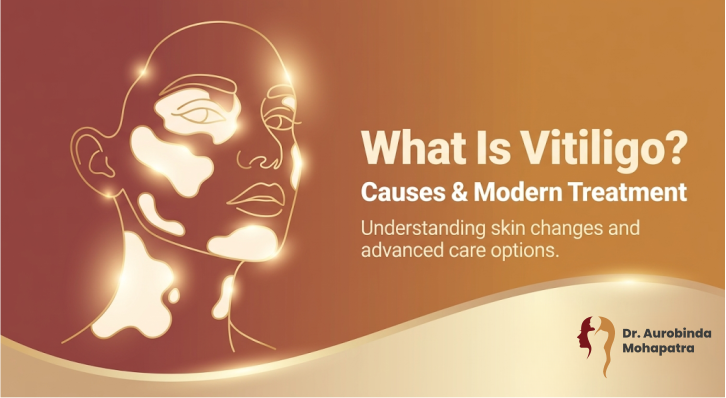
Many people search for what is vitiligo causes and treatment when they notice white patches on their skin. Vitiligo is a chronic skin condition that leads to loss of pigmentation, resulting in visible white patches on different parts of the body.
Although it is not physically harmful or contagious, vitiligo can affect a person’s appearance and confidence. Understanding its causes and available treatments helps patients make informed decisions.
What Is Vitiligo?
Vitiligo is a skin disorder where melanocytes (pigment-producing cells) are destroyed or stop functioning. As a result, the affected skin loses its natural color.
It may appear on:
- Face
- Hands and feet
- Lips
- Around eyes
- Genital areas
In some cases, hair growing in affected areas may also turn white.
What Causes Vitiligo
The exact cause of vitiligo is not fully understood, but it is widely considered an autoimmune condition.
Common contributing factors include:
1. Autoimmune Response
The immune system mistakenly attacks melanocytes, leading to pigment loss.
2. Genetic Factors
Vitiligo may run in families, although not all cases are hereditary.
3. Environmental Triggers
Certain factors may trigger or worsen vitiligo:
- Sunburn
- Skin injury
- Chemical exposure
4. Stress and Hormonal Changes
Emotional stress or hormonal imbalance may influence the onset or progression.
Early Signs and Symptoms of Vitiligo
Recognizing early symptoms can help in timely management.
Common signs include:
- White patches on skin
- Loss of color around mouth or eyes
- Symmetrical patches on both sides of the body
- Premature whitening of hair
- Gradual spreading of patches
The progression varies from person to person.
Types of Vitiligo
Vitiligo is classified based on how it appears and spreads.
1. Non-Segmental Vitiligo
- Most common type
- Affects both sides of the body
- Progresses gradually
2. Segmental Vitiligo
- Occurs on one side of the body
- Often starts earlier in life
- May stabilize faster
3. Focal Vitiligo
- Limited to one or a few areas
- Does not follow a clear pattern
How Vitiligo Is Diagnosed
A Cosmetic Surgeon typically diagnoses vitiligo through:
- Clinical examination
- Medical history review
- Wood’s lamp examination (to detect depigmentation)
- Blood tests (if autoimmune conditions are suspected)
Accurate diagnosis is important to differentiate vitiligo from other skin conditions such as fungal infections or pigmentation disorders.
Modern Treatment Options for Vitiligo
There is currently no guaranteed permanent cure, but modern treatments aim to restore skin color and control progression.
1. Topical Medications
- Corticosteroids
- Calcineurin inhibitors
These may help restore pigment in early stages.
2. Phototherapy (Light Therapy)
- Narrowband UVB therapy is commonly used
- Helps stimulate melanocyte activity
3. Laser Treatment
Targeted light therapy may be used for localized patches.
4. Surgical Options
For stable vitiligo cases:
- Skin grafting
- Melanocyte transplantation
5. Depigmentation Therapy
In extensive cases, remaining pigmented skin may be lightened for uniform appearance.
Treatment choice depends on:
- Extent of the condition
- Age and health of the patient
- Response to previous therapies
Can Vitiligo Be Controlled or Managed
Vitiligo can often be managed with a combination of treatments and lifestyle measures.
However, results vary, and treatment requires patience and consistency.
Lifestyle Tips for Managing Vitiligo
Daily care plays an important role in managing the condition.
Recommended practices:
- Use broad-spectrum sunscreen
- Avoid skin trauma or injury
- Maintain a balanced diet
- Manage stress levels
- Follow prescribed treatment regularly
Protecting the skin helps prevent contrast between normal and depigmented areas.
Safety, Risks and Limitations
Vitiligo treatments are generally safe but may have limitations.
Possible considerations:
- Skin irritation from topical treatments
- Sensitivity to light therapy
- Variable response to treatment
- Recurrence or progression over time
It is important to follow medical guidance and avoid unverified treatments.
When to Consult a Cosmetic Surgeon
You should consider consulting a specialist if:
- White patches appear suddenly
- Patches begin spreading
- Diagnosis is unclear
- Emotional or cosmetic concerns increase
Conclusion
Understanding what is vitiligo causes and treatment helps patients approach the condition with clarity rather than fear.
While vitiligo is a long-term condition, modern dermatology offers multiple options to manage symptoms and improve skin appearance. If you notice changes in your skin color, consulting a qualified dermatologist can help determine appropriate next steps.